A robust network infrastructure is the backbone of any modern organization, enabling efficient communication, data sharing, and resource management. Building a solid network infrastructure requires careful planning, strategic implementation, and ongoing management. This guide explores best practices for developing a reliable and secure network infrastructure, essential for ensuring seamless IT operations and supporting business growth.
Understanding Network Infrastructure
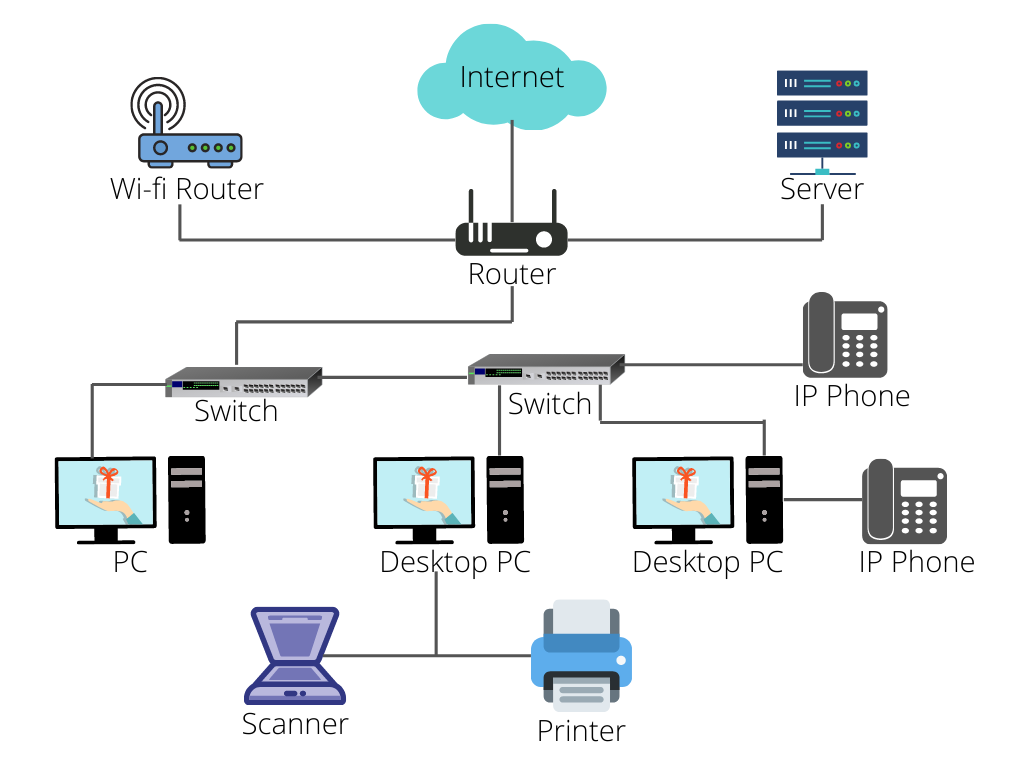
Network infrastructure encompasses all the hardware and software components required to establish and maintain a network. This includes routers, switches, access points, servers, and cabling systems. A well-designed network infrastructure ensures that all devices and systems communicate effectively, supports scalability, and protects against potential security threats.
Best Practices for Building a Solid Network Infrastructure
1. Plan and Design Thoroughly
Assess Your Needs
Before implementing any network infrastructure, conduct a thorough assessment of your organization’s needs. Consider factors such as the number of users, types of applications, data traffic volume, and future growth. This assessment helps in designing a network that meets current requirements and is scalable for future expansion.
Develop a Network Design
Create a detailed network design that outlines the layout of your network components. This includes defining network topologies, selecting appropriate hardware, and planning for redundancy. A well-thought-out design minimizes potential issues and ensures that the network can handle the expected load efficiently.
2. Implement Robust Network Security
Apply Security Best Practices
Network security is crucial for protecting sensitive data and maintaining network integrity. Implement best practices such as using strong passwords, enabling encryption, and configuring firewalls to safeguard your network. Regularly update and patch network devices to protect against vulnerabilities.
Segregate Network Segments
Use network segmentation to isolate critical systems and sensitive data from less secure areas. Implement Virtual LANs (VLANs) and subnets to create separate network segments, reducing the risk of unauthorized access and limiting the impact of potential security breaches.
3. Utilize Network Courses and Training
Enroll in Network Courses
To ensure you and your team are equipped with the necessary skills, consider enrolling in network courses that cover various aspects of network infrastructure. Courses that focus on network administration and networking basics provide foundational knowledge, while more advanced courses delve into complex topics such as network security and network troubleshooting.
Engage in Networking Training
Participate in networking training programs that offer hands-on experience with network design and management. These programs often include practical exercises and real-world scenarios, helping you apply theoretical knowledge in practical settings.
4. Optimize Network Performance
Monitor and Manage Network Traffic
Regularly monitor network traffic to identify potential bottlenecks and performance issues. Use network management tools to track bandwidth usage, analyze traffic patterns, and ensure that the network operates efficiently. Implement Quality of Service (QoS) policies to prioritize critical applications and optimize performance.
Plan for Scalability
Design your network infrastructure with scalability in mind. Choose hardware and software solutions that can accommodate future growth and easily integrate new technologies. Ensure that your network design allows for the addition of new devices and expansion of network segments without significant disruptions.
5. Troubleshoot and Maintain Regularly
Implement Network Troubleshooting Procedures
Network troubleshooting is essential for identifying and resolving issues that may arise in the network. Develop a systematic approach for troubleshooting network problems, including using diagnostic tools and analyzing network performance data. Regularly review and update troubleshooting procedures to address new challenges.
Conduct Regular Maintenance
Perform routine maintenance tasks to keep your network infrastructure in optimal condition. This includes checking and updating device firmware, reviewing security configurations, and testing backup systems. Regular maintenance helps prevent issues before they impact network performance and reliability.
6. Invest in Professional Certifications
Pursue Network Certification
Achieving network certification such as the Cisco Certified Network Associate (CCNA) can enhance your skills and validate your expertise in network infrastructure. Cisco training and CCNA courses provide comprehensive knowledge of network design, implementation, and management, preparing you for complex network environments.
Explore Advanced Certifications
For those looking to specialize further, advanced certifications such as the Cisco Certified Network Professional (CCNP) or Certified Information Systems Security Professional (CISSP) offer in-depth knowledge in areas like network security and advanced network management. These certifications demonstrate your ability to handle sophisticated network infrastructures and support career advancement.

Conclusion
Building a solid network infrastructure involves careful planning, implementation, and ongoing management. By following best practices such as thorough design, robust security measures, regular performance optimization, and continuous learning through network courses and networking training, you can create a reliable and efficient network that supports your organization’s needs. Investing in professional certifications and staying updated with industry trends further ensures that your network infrastructure remains resilient and effective in the face of evolving challenges.