In an era where connectivity is paramount, wireless networking has emerged as a revolutionary technology, shaping the future of communication and data exchange. As businesses and individuals increasingly rely on seamless and efficient networking solutions, understanding the fundamentals and advancements in wireless networking becomes essential. This article delves into the key aspects of wireless networking, its benefits, and its role in the future of connectivity.

Understanding Wireless Networking
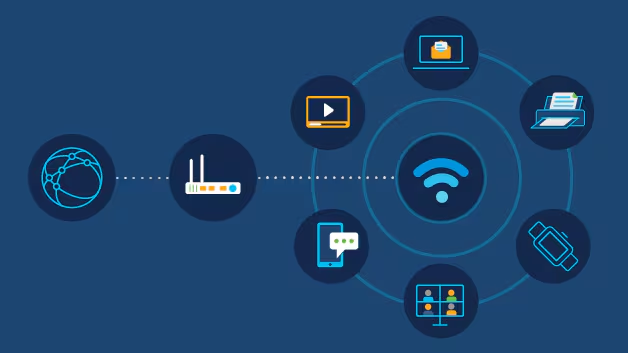
Wireless networking refers to the technology that allows devices to connect and communicate without the need for physical cables. Instead, it uses radio waves or infrared signals to transmit data between devices. This technology has transformed how we connect to the internet, share information, and communicate across distances.
Key Components of Wireless Networking
- Access Points (APs): Devices that connect wireless devices to a wired network. They play a crucial role in extending the range and capacity of wireless networks.
- Wireless Routers: Combine the functions of a router and an access point, providing both internet connectivity and wireless communication.
- Wireless Adapters: Enable devices without built-in wireless capabilities to connect to wireless networks.
The Benefits of Wireless Networking
Flexibility and Mobility
One of the primary advantages of wireless networking is the flexibility and mobility it offers. Users can connect to the network from virtually anywhere within the coverage area, making it ideal for mobile devices such as smartphones, tablets, and laptops. This mobility enhances productivity and convenience, allowing users to stay connected while on the move.
Easy Installation and Scalability
Wireless networks are relatively easy to install and configure compared to wired networks. This ease of installation extends to scalability, as adding new devices to a wireless network is straightforward. Businesses can expand their network infrastructure without the need for extensive cabling and physical connections.
Cost-Effective Solutions
While the initial setup cost for wireless networking may be higher, the long-term savings are significant. Reduced maintenance costs, fewer cables, and the ability to quickly reconfigure the network make wireless networking a cost-effective solution for both small and large-scale deployments.
Wireless Networking and Network Security
As with any networking technology, wireless networking requires robust security measures to protect against potential threats. Network security is crucial to safeguarding data and ensuring the integrity and confidentiality of information transmitted over wireless networks.
Implementing Strong Security Protocols
- Encryption: Use encryption protocols such as WPA3 to protect data transmitted over the network. Encryption ensures that only authorized users can access and interpret the data.
- Authentication: Implement strong authentication methods to verify the identity of users and devices connecting to the network. This prevents unauthorized access and enhances security.
- Firewalls and Intrusion Detection Systems (IDS): Deploy firewalls and IDS to monitor network traffic and detect suspicious activities. These tools provide an additional layer of protection against cyber threats.
The Role of Wireless Networking in IT Networking
Wireless networking plays a pivotal role in IT networking, enabling organizations to build flexible and scalable network infrastructures. IT professionals and network engineers must stay updated with the latest advancements in wireless networking to effectively manage and secure these networks.
Networking Training and Certification
For those looking to enhance their skills in wireless networking, pursuing relevant network courses and networking training is essential. Certifications such as CCNA courses and Cisco training provide comprehensive knowledge and hands-on experience in wireless networking and network security.
Practical Networking Tutorials
Engaging in networking tutorials and practical exercises helps learners understand the intricacies of wireless networking. These tutorials cover various aspects, including network administration, troubleshooting, and security, providing a holistic understanding of the technology.
The Future of Wireless Networking
The future of wireless networking is marked by several exciting advancements that promise to further revolutionize connectivity. Emerging technologies such as 5G, Wi-Fi 6, and the Internet of Things (IoT) are set to redefine how we connect and communicate.
5G and Wi-Fi 6
5G technology offers faster speeds, lower latency, and greater capacity compared to previous generations. This technology is expected to drive innovations in various fields, including autonomous vehicles, smart cities, and telemedicine. Similarly, Wi-Fi 6 provides enhanced performance, allowing for more devices to connect simultaneously without compromising speed or reliability.
Internet of Things (IoT)
The IoT is a network of interconnected devices that communicate and exchange data. Wireless networking is the backbone of IoT, enabling seamless connectivity between devices. As IoT continues to grow, wireless networks will need to support an increasing number of devices and data traffic, emphasizing the importance of robust and scalable network infrastructure.
Wireless networking is undoubtedly the future of connectivity, offering unparalleled flexibility, mobility, and cost-effectiveness. Understanding the fundamentals of wireless networking, implementing strong security measures, and staying updated with the latest advancements are crucial for individuals and organizations alike. By investing in network courses, networking training, and relevant certifications, aspiring network engineers can build a solid foundation in wireless networking and contribute to the evolving landscape of IT networking. As technology continues to advance, wireless networking will remain at the forefront, driving innovations and transforming how we connect and communicate in the digital age.