In today’s interconnected world, the role of a network engineer has become more crucial than ever. As businesses, organizations, and individuals increasingly rely on the internet, communication networks, and wireless technologies, the demand for skilled professionals who can design, maintain, and secure these networks is skyrocketing. But what exactly does a network engineer do, and why is this career considered a gateway to the future?
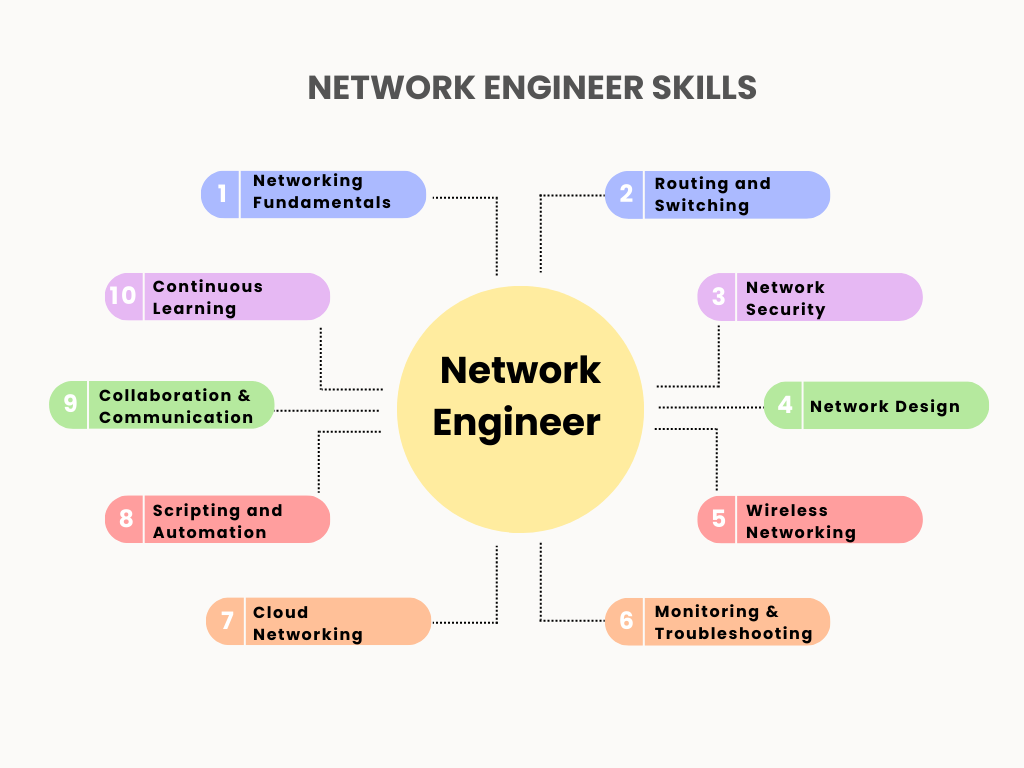
What is a Network Engineer?
A network engineer is responsible for designing, implementing, managing, and troubleshooting an organization’s networking infrastructure. This includes everything from local area networks (LANs) to wide area networks (WANs), wireless networks, and cloud-based networks. These engineers ensure that an organization’s network is optimized for performance, secure, and capable of supporting its business needs.
To succeed in this field, network engineers must have an in-depth understanding of networking basics, which they typically gain through various network courses and networking training programs. They must also stay updated with the latest advancements in networking technology, such as 5G, software-defined networking (SDN), and cybersecurity.
Key Responsibilities of a Network Engineer
- Designing Network Infrastructure
One of the primary duties of a network engineer is to design the infrastructure that supports communication across various devices and systems. This involves selecting the appropriate hardware and software, establishing protocols, and ensuring the network can handle the organization’s traffic and performance needs. Understanding network infrastructure is essential to this role, as it ensures the seamless flow of information between employees, clients, and systems. - Implementing Networks
Once a network design is approved, network engineers are responsible for setting up and configuring the network hardware and software. This may involve installing routers, switches, and firewalls, as well as configuring virtual private networks (VPNs), wireless networking systems, and cloud-based solutions. Engineers who have completed Cisco training or CCNA courses often excel in this area, as Cisco products are widely used in the industry. - Network Troubleshooting and Maintenance
Networks are dynamic systems that require constant monitoring and troubleshooting to ensure optimal performance. Network engineers must be adept at identifying and resolving issues, such as slow network speeds, connectivity problems, or hardware failures. Many professionals rely on network troubleshooting skills gained through networking tutorials or practical experience during networking training programs. - Securing the Network
In today’s digital age, cybersecurity is a top priority for organizations. Network engineers are responsible for implementing network security measures to protect sensitive data from cyberattacks and unauthorized access. This includes setting up firewalls, intrusion detection systems, and encryption protocols. Engineers who specialize in network security often pursue certifications such as network certification in security, which can enhance their expertise in this area. - Ongoing Optimization and Upgrades
As technology evolves, so do the needs of an organization’s network. Network engineers must stay up-to-date with the latest advancements in networking technology and continuously optimize their systems. Whether it’s upgrading to a more advanced wireless networking system, enhancing network performance, or integrating new tools to improve productivity, network engineers play a vital role in the ongoing success of an organization’s IT infrastructure.
Path to Becoming a Network Engineer
Becoming a network engineer typically requires a blend of education, certification, and hands-on experience. Many professionals begin by enrolling in network courses or pursuing a degree in computer science or information technology. From there, aspiring network engineers may pursue specialized network certification programs, such as Cisco training or CCNA courses. These certifications are highly regarded in the industry and demonstrate proficiency in networking concepts and technologies.
- Network Courses and Certifications
There are many ways to learn networking, from formal degree programs to specialized network courses. For example, Cisco offers certifications like CCNA courses (Cisco Certified Network Associate), which are designed to provide a strong foundation in networking basics. These certifications are recognized worldwide and can significantly boost your employability as a network engineer. - Networking Training and Tutorials
In addition to formal education, hands-on networking training is critical for developing the practical skills needed in this field. Many engineers gain experience through internships, entry-level IT jobs, or by completing networking tutorials that teach them how to configure and troubleshoot real-world network scenarios. - Specialization in Network Security and Wireless Networking
As organizations face growing threats from cyberattacks, specializing in network security can be a lucrative career path for network engineers. Additionally, as businesses increasingly adopt mobile and wireless technologies, expertise in wireless networking is in high demand. By specializing in these areas, network engineers can position themselves as indispensable members of their IT teams. - Advanced Roles in Network Administration
After gaining experience as a network engineer, professionals often move into more advanced roles, such as network administration or IT management. In these positions, they are responsible for overseeing the entire IT network infrastructure, managing a team of engineers, and ensuring the network aligns with the organization’s long-term goals.

Why Network Engineering is the Career of the Future
The field of network engineering is rapidly evolving, with exciting advancements in technology driving new opportunities. The demand for network engineers is expected to grow as more organizations adopt cloud computing, IoT (Internet of Things), and mobile technologies. According to industry reports, the global networking market is projected to expand significantly in the coming years, creating even more job opportunities for skilled professionals.
Moreover, with the rise of remote work, secure and efficient networks have become more critical than ever before. Network engineers who possess expertise in cloud-based systems, network security, and network troubleshooting will be highly sought after as businesses continue to adapt to a new, digitally-driven landscape.
In conclusion, the role of a network engineer is pivotal in connecting the future. Whether you’re just starting or looking to enhance your career with certifications like Cisco training, network engineering offers a dynamic and rewarding path that combines technology, problem-solving, and innovation. By pursuing networking training, obtaining a network certification, and mastering network security concepts, you can unlock endless possibilities in this exciting and ever-evolving field.